
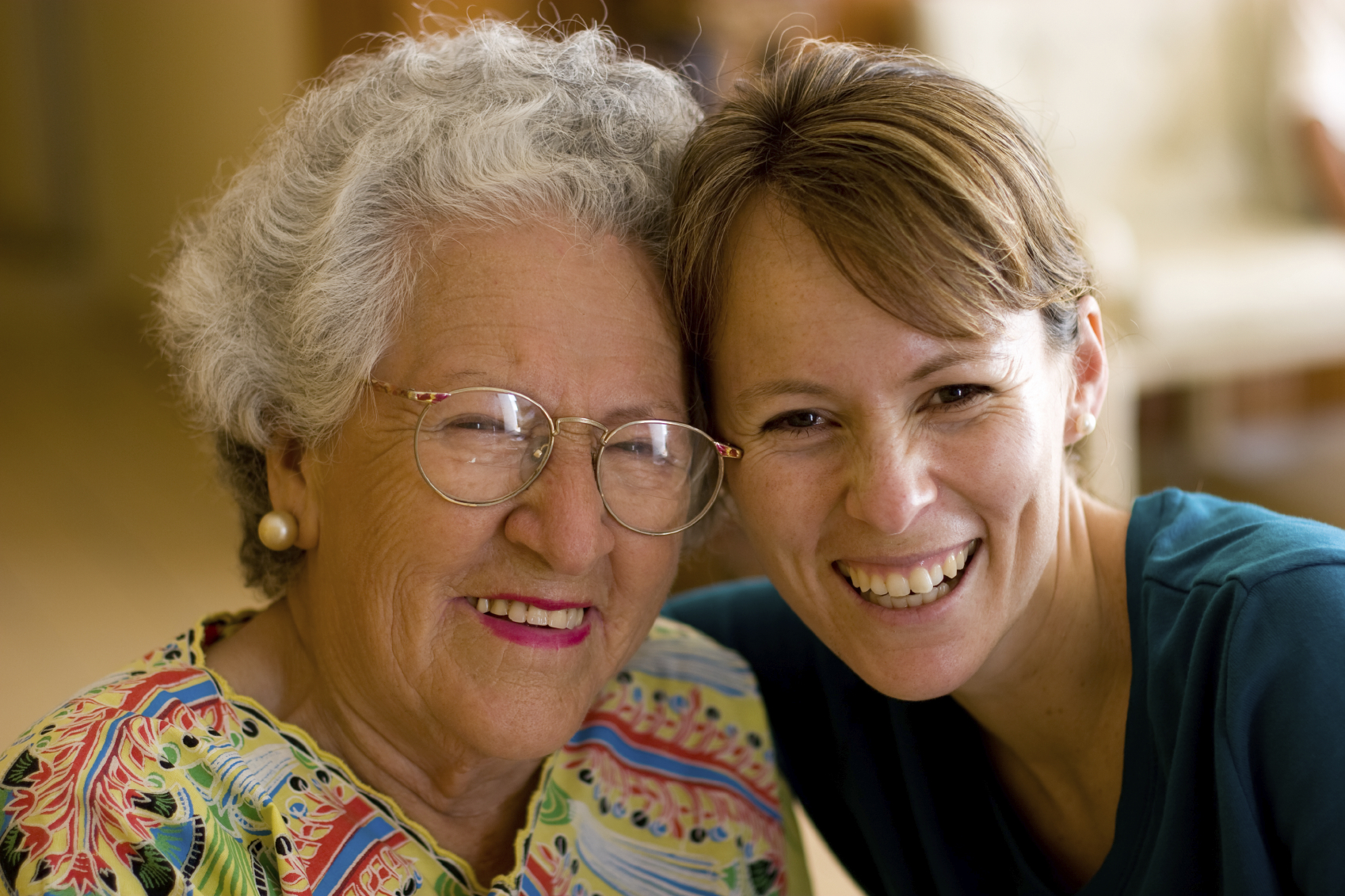
As individuals age, managing certain illnesses or conditions may become increasingly challenging. For seniors, maintaining independence is often a priority, but many illnesses necessitate support from a caregiver to ensure safety, comfort, and quality of life. In-home care provides a personalized approach that allows seniors to remain in familiar surroundings while receiving the assistance they need. This article explores illnesses that typically require the support of a caregiver and how in-home care can enhance the lives of seniors facing these challenges.
Dementia and Alzheimer’s Disease
One of the most common conditions requiring in-home caregiving is dementia, particularly Alzheimer’s disease. These conditions cause progressive cognitive decline, impacting memory, decision-making, and the ability to perform daily tasks. Seniors with dementia may forget to eat, take medications, or turn off appliances, creating safety concerns. Behavioral changes, such as agitation or confusion, can also complicate independent living.
Caregivers provide crucial support for seniors with dementia by managing their daily routines, ensuring medication compliance, and maintaining a safe environment. Beyond practical tasks, caregivers offer emotional support, creating a sense of stability and comfort for individuals who may feel disoriented or anxious. Personalized care plans tailored to the senior’s cognitive abilities and preferences are central to in-home caregiving for dementia patients.
Parkinson’s Disease
Parkinson’s disease is a progressive neurological disorder that affects movement, coordination, and balance. As the disease advances, symptoms such as tremors, stiffness, and difficulty walking can make everyday tasks challenging. Seniors with Parkinson’s often require assistance with mobility, personal hygiene, and meal preparation.
In-home caregivers play a vital role in helping individuals with Parkinson’s maintain their independence for as long as possible. They provide physical support to prevent falls, assist with exercises prescribed by physical therapists, and ensure medications are taken correctly to manage symptoms effectively. Additionally, caregivers offer companionship, helping seniors cope with the emotional toll of living with a chronic illness.
Stroke Recovery
A stroke can cause significant physical and cognitive impairments, depending on its severity and location in the brain. Stroke survivors often face challenges with mobility, speech, and memory, making it difficult to live independently. Rehabilitation is a critical component of recovery, but ongoing support is often needed to navigate daily life.
Caregivers provide essential assistance to stroke survivors, helping with tasks like dressing, bathing, and meal preparation. They can also support rehabilitation efforts by encouraging physical therapy exercises or practicing speech therapy techniques. Beyond physical care, caregivers offer encouragement and emotional support, which are vital for rebuilding confidence and fostering recovery.
Heart Disease and Cardiovascular Conditions
Heart disease is one of the leading causes of illness among seniors and often requires careful management to prevent complications. Conditions such as congestive heart failure, arrhythmias, or coronary artery disease can lead to fatigue, shortness of breath, and limited physical capacity. Seniors with cardiovascular conditions may struggle with managing medications, preparing heart-healthy meals, or adhering to exercise routines.
In-home caregivers provide invaluable support by monitoring symptoms, assisting with daily activities, and ensuring that seniors follow their treatment plans. They can help reduce the risk of hospitalization by recognizing early signs of complications and seeking medical attention promptly. Caregivers also promote healthier lifestyles by preparing nutritious meals and encouraging gentle physical activity within the senior’s abilities.
Diabetes Management
Diabetes is a prevalent condition among seniors that requires careful monitoring of blood sugar levels, medication adherence, and dietary management. For some seniors, complications from diabetes, such as neuropathy or vision loss, can make self-care difficult. Left unmanaged, diabetes can lead to severe health issues, including infections, amputations, and cardiovascular problems.
Caregivers play a critical role in managing diabetes by assisting with blood sugar monitoring, administering insulin injections if needed, and preparing balanced meals that align with dietary restrictions. They also help seniors maintain an active lifestyle, which is essential for managing blood sugar levels. By providing consistent care and supervision, caregivers help prevent complications and promote overall health.
Chronic Obstructive Pulmonary Disease (COPD)
COPD is a progressive lung disease that causes breathing difficulties, fatigue, and frequent respiratory infections. Seniors with COPD may find it challenging to perform physical tasks or move around without becoming short of breath. Oxygen therapy, medication management, and avoiding respiratory irritants are essential components of care for individuals with this condition.
In-home caregivers support seniors with COPD by assisting with daily activities, such as bathing, dressing, and housekeeping, to conserve their energy. They also ensure that oxygen equipment is used correctly and that medications are taken as prescribed. Caregivers are trained to recognize signs of respiratory distress and can act quickly to prevent complications, providing peace of mind for both seniors and their families.
Cancer and Cancer Treatments
Cancer is a life-altering diagnosis that often requires ongoing treatment, including surgery, chemotherapy, or radiation therapy. These treatments can lead to fatigue, nausea, and weakened immune systems, making it difficult for seniors to manage their own care. For those with advanced or terminal cancer, palliative care focuses on improving quality of life and providing comfort.
Caregivers for seniors with cancer offer practical and emotional support during a challenging time. They help manage the side effects of treatment, provide transportation to medical appointments, and assist with personal care. For seniors receiving palliative care at home, caregivers focus on ensuring comfort, addressing pain management, and supporting emotional well-being.
Arthritis and Mobility Issues
Arthritis is a common condition among seniors that causes joint pain, stiffness, and reduced mobility. Severe arthritis can make it difficult to perform tasks like dressing, cooking, or even holding utensils. Chronic pain also impacts mental health, contributing to feelings of frustration or depression.
In-home caregivers assist seniors with arthritis by helping with personal care, household chores, and activities that require fine motor skills. They can also provide encouragement to stay active within safe limits, as gentle exercise can improve joint function and reduce pain. By offering consistent support, caregivers enable seniors to maintain their independence and enjoy a higher quality of life.
Vision or Hearing Impairments
Loss of vision or hearing can significantly impact a senior’s ability to live independently. Tasks like cooking, managing medications, or navigating their home can become challenging, increasing the risk of accidents. Vision or hearing impairments can also lead to social isolation, as seniors may feel disconnected from their environment or loved ones.
Caregivers provide essential support by helping seniors adapt to their limitations. They assist with reading medication labels, preparing meals, and ensuring the home is safe and accessible. Beyond practical care, caregivers offer companionship and help facilitate communication, ensuring seniors remain engaged and socially connected.
Advanced Age and Frailty
Even without a specific medical diagnosis, advanced age and general frailty often require caregiving support. Seniors may experience reduced strength, balance issues, and slower cognitive processing, making it harder to manage daily responsibilities. Frailty increases the risk of falls and complicates recovery from illnesses or injuries.
In-home caregivers for frail seniors provide gentle assistance with activities of daily living, such as dressing, bathing, and eating. They help create a safe environment by minimizing fall risks and ensuring seniors have access to mobility aids if needed. Caregivers also monitor seniors’ overall health and provide companionship, reducing feelings of loneliness and fostering emotional well-being.
The Importance of In-Home Care for Seniors
In-home care offers a personalized approach to managing illnesses and conditions that require caregiving support. It allows seniors to remain in the comfort of their own homes while receiving the assistance they need, promoting independence and preserving dignity. Caregivers not only address practical needs but also provide emotional support, creating a holistic approach to senior care.
For families, knowing that a trained caregiver is available to assist their loved one brings peace of mind. In-home care enables seniors to maintain their routines and relationships while receiving tailored support that enhances their quality of life. By focusing on individualized care, caregivers help seniors face the challenges of aging and illness with confidence and comfort.