
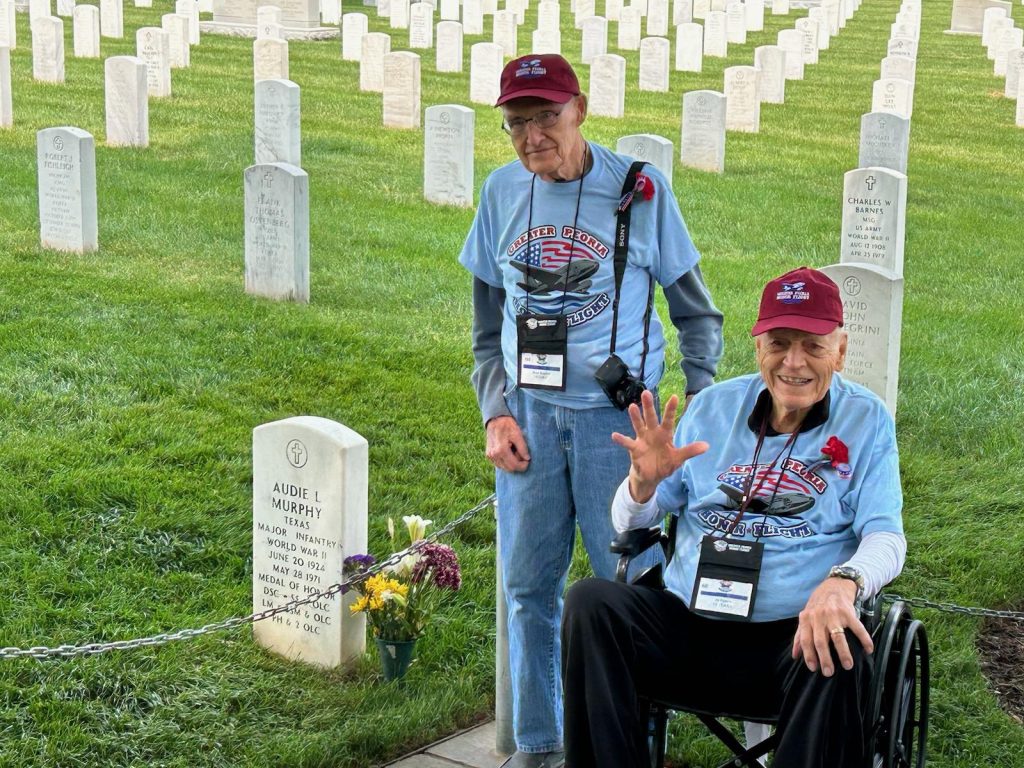
Veterans have dedicated their lives to serving and protecting their country, often facing challenges that leave lasting physical, emotional, and psychological impacts. As they age or deal with disabilities resulting from their service, many veterans require specialized care to maintain their independence and quality of life. Home care services for veterans are designed to address these needs, offering personalized support in the comfort and familiarity of their homes.
This article explores the importance of home care for veterans, the types of services available, the benefits of receiving care at home, and how families can navigate the process of accessing these essential services.
Understanding Home Care for Veterans
What Is Home Care?
Home care refers to professional assistance provided to individuals in their own homes. It encompasses a wide range of services, including medical care, personal assistance, and companionship, tailored to the specific needs of the individual. For veterans, home care often includes specialized support to address service-related injuries, chronic conditions, or age-related health challenges.
Why Do Veterans Need Home Care?
Veterans may face unique health challenges resulting from their military service, such as:
- Physical Injuries: Combat-related injuries, amputations, or mobility issues.
- Mental Health Issues: Post-traumatic stress disorder (PTSD), depression, or anxiety.
- Chronic Conditions: Exposure to hazardous substances during service can lead to long-term health issues, such as respiratory problems or cancers.
- Aging-Related Challenges: As veterans age, they may require assistance with daily activities and medical care.
Types of Home Care Services for Veterans
Home care for veterans is tailored to meet their specific needs. Services can be broadly categorized into medical care, personal care, and emotional support:
1. Medical Care
- Skilled Nursing: Administering medications, wound care, and monitoring vital signs.
- Therapies: Physical, occupational, and speech therapy to improve mobility, functionality, and communication.
- Chronic Condition Management: Monitoring and managing conditions such as diabetes, heart disease, or respiratory issues.
2. Personal Care
- Assistance with Activities of Daily Living (ADLs): Helping with bathing, dressing, grooming, and eating.
- Mobility Support: Assisting with moving around the home, including transferring from bed to wheelchair.
- Meal Preparation: Preparing nutritious meals tailored to dietary needs.
3. Companionship and Emotional Support
- Social Interaction: Engaging in conversations and activities to combat loneliness and isolation.
- Mental Health Support: Providing companionship and emotional care for veterans dealing with PTSD, anxiety, or depression.
- Respite Care: Offering temporary relief to family caregivers, allowing them to rest and recharge.
Benefits of Home Care for Veterans
Home care offers numerous advantages for veterans and their families, including:
1. Independence and Dignity
Remaining in their own homes allows veterans to maintain a sense of independence and control over their daily lives. They can continue living in a familiar environment while receiving the support they need.
2. Personalized Care
Home care services are tailored to each veteran’s unique needs, preferences, and health conditions. This personalized approach ensures they receive the right level of care without unnecessary interventions.
3. Improved Quality of Life
By addressing physical, emotional, and social needs, home care enhances the overall well-being of veterans, helping them live comfortably and with dignity.
4. Cost-Effectiveness
Compared to long-term care facilities or frequent hospital visits, home care is often a more affordable option, reducing financial strain on families.
5. Support for Families
Family members often play a significant role in caregiving. Home care services provide professional assistance, alleviating the burden on families and ensuring their loved ones receive expert care.
Programs and Benefits Available for Veterans
Veterans have access to several programs and benefits designed to support their home care needs. These include:
1. VA Homemaker and Home Health Aide Program
This program provides veterans with assistance in daily living activities through trained aides. Services are available to veterans who need help due to health conditions, aging, or disabilities.
2. VA Skilled Home Health Care Services
These services include medical care provided by licensed healthcare professionals, such as nurses or therapists, and are ideal for veterans recovering from surgery or managing chronic conditions.
3. Veteran-Directed Care (VDC)
The VDC program allows veterans to manage their own care by hiring and directing caregivers of their choice, including family members or friends.
4. Aid and Attendance Benefit
This benefit provides financial assistance to veterans who require help with daily activities, enabling them to access home care services.
5. Community Care Programs
The VA partners with community providers to offer home care services to veterans who may not have access to VA facilities in their area.
How to Access Home Care Services for Veterans
Navigating the process of accessing home care services can be overwhelming. Here are some steps to help veterans and their families get started:
1. Contact the VA
Reach out to the Department of Veterans Affairs (VA) to inquire about eligibility for home care programs and benefits. A VA social worker can guide you through the available options.
2. Assess Care Needs
Determine the type and level of care required based on the veteran’s health condition, mobility, and daily living needs. This assessment will help identify the most suitable services.
3. Choose a Home Care Provider
Research home care agencies with experience in serving veterans. Look for providers that offer specialized services and have a good reputation.
4. Apply for Benefits
Work with the VA to apply for benefits that can help cover the cost of home care services. Be prepared to provide documentation, such as medical records and proof of military service.
5. Develop a Care Plan
Collaborate with the chosen home care provider to create a personalized care plan that addresses the veteran’s needs and preferences.
Overcoming Challenges in Home Care for Veterans
Despite its many benefits, home care for veterans can present challenges. Here’s how to address them:
1. Cost Concerns
Many veterans and families worry about the cost of home care. Exploring VA benefits, insurance coverage, and community programs can help offset expenses.
2. Finding Qualified Caregivers
Veterans often require caregivers with specialized training. Choosing a reputable agency that understands the unique needs of veterans ensures high-quality care.
3. Trust and Compatibility
Building trust with caregivers is crucial for a positive care experience. Involving the veteran in the caregiver selection process can help establish compatibility and comfort.
4. Access to Services
For veterans in rural areas, accessing home care services can be challenging. The VA’s community care programs and telehealth options can bridge this gap.
Why Senior Care Home Services Are Essential for Veterans
Professional senior care home services provide veterans with the expert support they need to live comfortably and independently. These services go beyond basic assistance, offering specialized care tailored to the unique challenges faced by veterans.
By choosing senior care home services, veterans and their families gain access to:
- Skilled professionals who understand the complexities of veteran care.
- Comprehensive support for physical, emotional, and social needs.
- Peace of mind knowing their loved one is in capable hands.
Final Thoughts
Veterans have made immense sacrifices in service to their country, and it is our responsibility to ensure they receive the care and support they deserve. Home care services for veterans play a vital role in enhancing their quality of life, allowing them to age with dignity and independence in the comfort of their homes.
If you or a loved one is a veteran in need of home care, don’t hesitate to explore the available programs and resources. By accessing professional senior care home services, you can ensure that the heroes who served our nation receive the compassionate, expert care they deserve.
